02 / Commercial · AppLovin ads for brands
AppLovin for brands, with the creative it actually needs.
AppLovin opened its ad platform to every advertiser in June 2026, and it rewards the creative volume mobile gaming learned to supply. We bring that to commercial brands: we make the ads, the end card and the landing page from one brief, run them on AppLovin first and then Meta and TikTok, and measure the whole journey on purchases.
What AppLovin is
AppLovin Ads is AppLovin's self-serve advertising platform: an advertiser sets a goal and a budget, and the platform buys fullscreen ad slots inside mobile apps, mostly games, to hit that goal. AppLovin describes it in its Q3 2026 quarterly report as its "AI-powered demand-side advertising solution that deploys advertiser capital at their return goals." The engine that decides who sees which ad is called Axon, which AppLovin calls "our advertising recommendation system."
The scale figures are AppLovin's own. CEO Adam Foroughi told investors in November 2025 that the company serves "over a billion users a day," and its page for consumer brands puts it as "1 billion+ people game every day." The ads run in games such as "Subway Surfers, Candy Crush, Sudoku, Solitaire, and Words With Friends," per that same page.
If you have read about "Axon Ads Manager", it is the same platform: AppLovin used that name from October 2025 until June 2026, when it switched back to AppLovin Ads and Foroughi said "Axon remains the name of our AI recommendation system."
Why it opened to brands, and when
AppLovin built its business on app and game advertisers. Its quarterly report says "since 2024 we have begun expanding our customer base to include web-based e-commerce advertisers." The timeline since, from AppLovin's statements and trade reporting:
- Q3 2025: Foroughi said AppLovin "opened up international traffic for advertisers promoting websites or shops in Q3 ahead of schedule."
- 1 October 2025: the self-serve Axon Ads Manager opens on a referral basis, with existing partners given invite codes, as Pocket Gamer.biz reported.
- June 2026: the platform opens to all advertisers and is renamed AppLovin Ads, as Pocket Gamer.biz reported on 29 June 2026.
A brand can now sign up directly, and AppLovin says you can launch "with a budget as low as $10/day."
Why a consumer brand should look at it
The case is reach outside the platforms most brands already max out. AppLovin's pitch is different attention: "Games hold attention one screen at a time: no feed to scroll, no competing content." It reports a 35 second median watch time, and its ads are "fullscreen videos shown between levels or that people choose to watch in exchange for rewards."
It also offers goals for new customers: Discovery aims to "reach people who've never visited your site and turn them into first-time customers." That matters if your Meta and Google accounts keep re-finding the same buyers.
| AppLovin, as AppLovin describes it | What changes for your team (our view) | |
|---|---|---|
| Where the ad runs | Fullscreen, between levels or for a reward, inside mobile games | The viewer was playing, not shopping. The first seconds have to earn the switch. |
| How long it plays | Unskippable for 5 seconds in interstitials and up to 60 seconds in rewarded slots | Longer cuts get watched. A 15 second social edit wastes the slot. |
| Who decides the audience | AppLovin Ads "automatically optimizes bidding, targeting, and creative selection" | Your levers are the creative, the goal and the page. |
| What follows the video | An interactive page, then a dynamic catalog | The end card is a second ad, not a logo frame. |
More in AppLovin vs Meta Ads.
What creative AppLovin needs
These specs come from AppLovin's support section for promoting websites, guidance written for web advertisers.
Video. Portrait 9:16, MP4, MOV or M4V, up to 1 GB and up to 60 seconds. AppLovin recommends "a good selection of longer videos (30 seconds or more)." It advises captions because "most mobile gamers have sound off by default," and notes that among top-spending videos, "85% use voiceover."
The page after the video. AppLovin calls it an AppLovin Interactive Page (AIP): "the interactive screen that shows after a video ad finishes." It can be a portrait image or GIF, or an HTML page made in AppLovin's Creative Studio. After that comes a dynamic catalog "with products or offers personalized for each user." See our end cards guide.
Playables. AppLovin tells consumer brands to "bring your videos, statics, and playables," and its quarterly report says it has "begun to introduce tools that create AI-generated interactive ads and video creatives for advertisers."
Volume. AppLovin's guidance is to "upload as many 9×16 portrait videos as possible, on a regular basis," and it says "You do not need to pause creatives. AppLovin's optimizer automatically reduces spend on creatives that don't perform." Common Thread Collective reported in June 2026 on AppLovin experiments with ecommerce brands where campaigns using all available creatives, averaging 182 ads (range 65 to 340), beat manually curated sets by 7 to 23 percent. These are AppLovin's experiments reported by a third party, not an independent study. We cover the maths in how many creatives you actually need for AppLovin.
What good looks like
Our view: a good AppLovin ad for a brand is a long, captioned, portrait video that names a problem a stranger recognises, shows the product solving it, and hands off to an end card with the same promise. From our showcase:
- Prose, "Why Does My Hair Dry So Fast?": a creator asks the question and walks through a custom conditioner with her name on the bottle, captioned throughout, at close to 60 seconds.
- Mills, "Dog Owner Speedrun": a timestamped "speedrunning my morning" format, a gaming idiom shown to a gaming audience, before the creator explains pre-portioned dog food.
- HealthyCell, "Replaced 14 Pills and Takes 2 Seconds": the hook on screen in frame one, a creator reaction, then a long product close.
- Mandala Scrubs, "12 Hours Later": a creator in scrubs through a working day, in a 30 second cut that ends on the brand line.
How Flixr runs it
Flixr is a performance marketing agency that makes its own creative. For brands we run AppLovin first, then Meta and TikTok, and make the ads, end card and landing page from one brief.
An engagement starts with read-only access to your results and ad accounts, so we are judged on the same numbers as your team. The first month is spent reading 90 days of your ads one by one, running a gap analysis of what works and who you do not reach yet, and putting the first three hypotheses live. After that the loop runs every week: brief, make, launch, read, log.
We have 7,600+ creators ready to brief, and Flixr Studio, our own tool, tracks every ad running in a category on AppLovin, Meta and TikTok (over 40,000 ads read across 195 markets), so the brief starts from what the networks keep funding.
How to measure it
Web advertisers connect through the AppLovin Pixel, installed "through the Shopify App Store or Google Tag Manager." AppLovin reports Day 0 purchases (within 24 hours of the attributed engagement) and Day 7 purchases (within 192 hours of a click), and offers two reporting modes: clicks only, or clicks plus views within one day.
AppLovin's own measurement page is candid about the limits. It says "the gap between in-platform and controlled-test results is growing," that its internal data shows the gap between in-platform ROAS and geo holdout iROAS "has more than doubled over the past year," and that using "in-platform reporting, MTA, MMM, and incrementality testing together gives a more complete read than any single source alone."
We measure an AppLovin test on purchases, revenue and ROAS, and settle the real question with a holdout: does it add customers, or re-count ones Meta already found? See Is AppLovin actually incremental, or just taking credit from Meta?
The honest caveats
- The audience is people playing mobile games. AppLovin's own filing says its advertising solutions "primarily operate in the mobile app ecosystem and specifically mobile gaming." If your buyer is not in that audience, the reach number does not help you.
- Not every product fits. Common Thread Collective suggests patience if "your product requires complex educational funnels, your average order value is above $500."
- Platform numbers need a check. AppLovin itself says its in-platform ROAS and holdout results are drifting apart. Budget for a holdout test.
- Creative is the cost. High volume, long videos and an end card per concept. A handful of social edits will not give the engine enough to work with.
What you get
Creative at gaming volume
We make ads at the rate our gaming clients need, for brands: long portrait video, captioned, in volume.
Ad, end card and page together
The same promise from the first frame to the landing page, built from one brief.
Measured on purchases
The test reads the whole journey: the ad, then the page, judged on purchases, revenue and ROAS, with a holdout to check it adds demand.
How it runs
One loop, every week.
- 01 Read Read-only access to your results and ad accounts, so we are judged on the same numbers as your team.
- 02 Brief A gap analysis of what works in your account and who you do not reach yet becomes the first three hypotheses.
- 03 Make and launch We make the creative in house and launch it into your campaigns.
- 04 Log Every result goes into the logbook, and the next brief starts from it. The loop runs every week.
The work
Work that shows it.
-
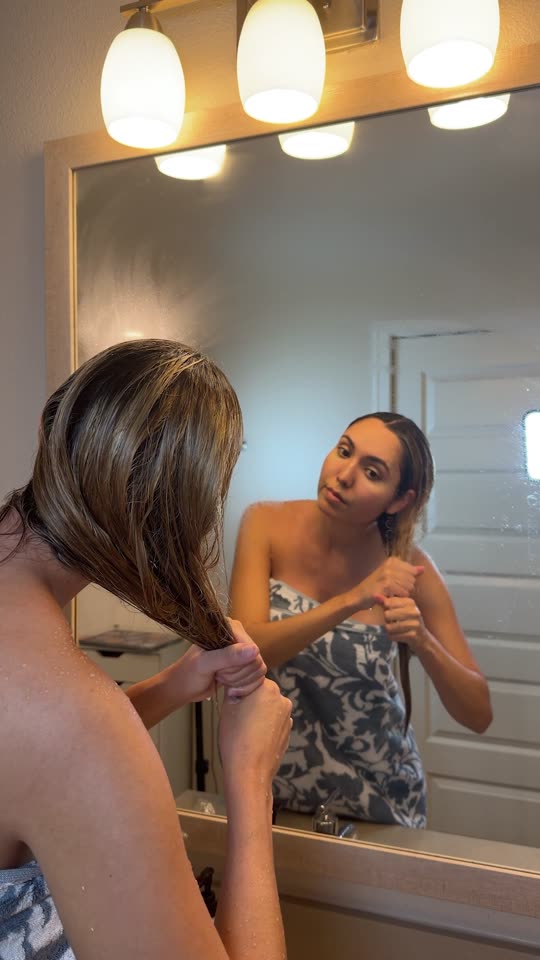 Why Does My Hair Dry So Fast? UGC (Authentic) A creator asks a question her audience has, walks through a custom conditioner with her name on the bottle, captioned throughout, at close to AppLovin's 60 second maximum. Watch in the showcase ↗
-
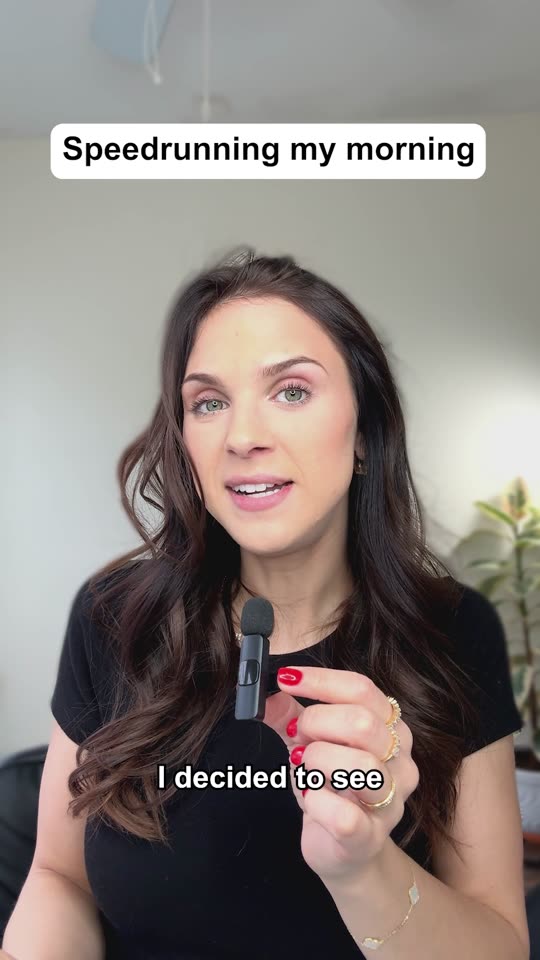 Dog Owner Speedrun UGC (Authentic) A timestamped 'speedrunning my morning' format, a gaming idiom, that leads into a creator explaining pre-portioned dog food, in a 57 second portrait cut. Watch in the showcase ↗
-
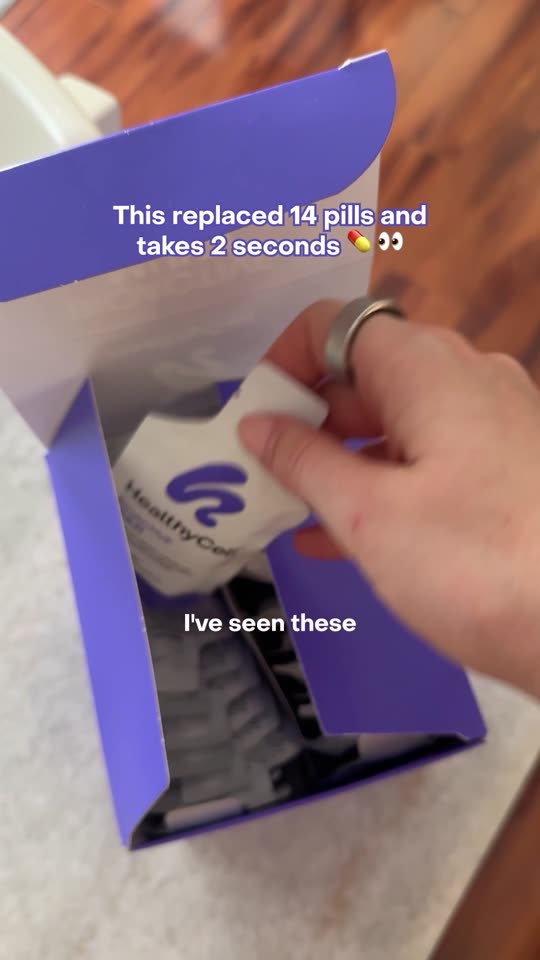 Replaced 14 Pills and Takes 2 Seconds UGC (Authentic) The hook is written on screen in the first frame, followed by a creator reaction and a long product close. Watch in the showcase ↗
-
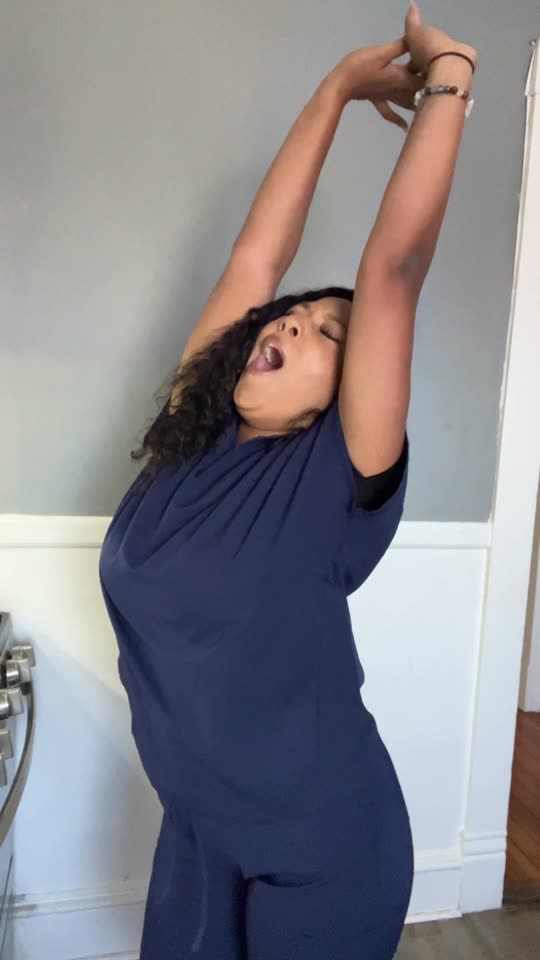 12 Hours Later UGC (Authentic) A creator in scrubs through a working day, in a 30 second portrait cut that ends on the brand line. Watch in the showcase ↗
Read more
Questions people ask
What is AppLovin Ads?
AppLovin's self-serve ad platform, which shows fullscreen ads inside mobile apps, mostly games. AppLovin describes it as its "AI-powered demand-side advertising solution that deploys advertiser capital at their return goals." The engine behind it is called Axon.
Is Axon the same thing as AppLovin Ads?
Axon is the AI recommendation system. The platform was called Axon Ads Manager from October 2025 and was renamed AppLovin Ads in June 2026, when it opened to all advertisers.
Can a consumer brand advertise on AppLovin?
Yes. Access was referral-only from October 2025 and opened to all advertisers in June 2026. AppLovin says you can launch with a budget as low as $10 a day.
What creative does AppLovin need?
Portrait 9:16 video up to 60 seconds, with AppLovin recommending a good share at 30 seconds or more, captions for sound-off viewing, and an interactive page after the video. AppLovin's guidance is to upload as many videos as possible, on a regular basis.
How do you measure AppLovin for a brand?
On purchases, revenue and ROAS through the AppLovin Pixel, then with a holdout test. AppLovin itself says the gap between its in-platform ROAS and geo holdout results has more than doubled over the past year, so we do not rely on the dashboard alone.
Do you run AppLovin for brands that are not games?
Yes. Commercial brands are one of our two doors, with AppLovin first and then Meta and TikTok, and we make the ads, end cards and landing pages ourselves.
Also under Commercial