02 / Commercial · UGC ads for brands
UGC ads for brands, cast, scripted and matched to the page.
We make UGC and creator video for commercial brands: a real person, a demonstration, a reason to buy now. Each concept is cut into the versions an account needs, and the landing page is built from the same brief, so the promise the creator makes is the promise the page keeps.
What UGC ads for brands are
UGC ads for brands are short vertical videos in which a person on camera, a creator or a cast actor, uses, shows or talks about a product in the voice of a customer, made to sit in the feed like a post rather than a commercial. They are performance ads: the job is a purchase, a trial or a sign-up, measured on the brand's own numbers.
UGC stands for user-generated content, but the ads that sell are rarely left to chance. They are written to a brief, cast and directed, then shot to feel native.
Why they work for consumer brands
The platforms recommend the format in their own guidance. TikTok's help centre article on creative best practices for performance ads recommends "featuring people such as creators, employees, or customers to capture attention and increase engagement", in a "DIY or not overly polished style" so the ad "fits in with the user-generated content on TikTok."
AppLovin is more specific, and its numbers come from web advertisers. Its video best practices page for advertisers promoting websites is based on "an analysis of the top 1,000 video ads by spend among web advertisers", and it found that "The vast majority of top-performing videos use a UGC-style format, either featuring a single person's testimonial or cycling through clips of multiple people sharing positive reviews." The same review found that "85% use voiceover" and that "95% of top spending videos it reviewed had prominent captions." This is AppLovin's guidance for web advertisers, which is exactly the buyer this page is for. Our AppLovin ads for brands page covers the channel itself.
What a brand UGC ad has to do
A game ad has to make someone curious enough to install. A brand ad has to get someone to pay. In our view that takes five jobs, and AppLovin's review of top web advertiser videos puts a figure on several of them.
Demonstrate. Show the product doing the thing, in hands, on camera. Unboxing for Shure is hands only: the MoveMic 88+ comes out of its roll bag, the on-screen text lists what is in the box, and the companion app is shown on a phone. Replaced 14 Pills and Takes 2 Seconds for HealthyCell squeezes the gel pack on camera before the creator talks.
Make an offer. AppLovin found that "approximately 40% of top videos featured some kind of promotion", with common offers of 10 to 40% off codes, free shipping, and free items with a first purchase. It notes that "Ads with evergreen coupon codes often outperform on ROAS and scale." Five Dollars Of Gas for Super.com opens on a near-empty fuel gauge, puts the creator in his car, then shows the app screen and closes on an end card with the offer.
Earn trust. AppLovin found that "24% of top videos include social validation", such as review counts or a product having gone viral, and suggests "UGC testimonials and highlighting the number of positive reviews."
Name the buyer. "About 30% of top ads explicitly define a group for whom the product might be relevant", in AppLovin's words, with hooks like "As empty nesters…". It adds that "Many advertisers with greater spend have a portfolio of ads that appeal to multiple specific demographic audiences." One creator rarely covers every buyer, which is a casting decision.
Match the page. The promise in the ad is the promise the landing page has to keep. What's My Hair Type, Actually for Prose has the creator walk through the hair quiz on the Prose site on screen before the bottles appear, so the click lands on a step the viewer has already seen. Cashback in Real Life for Rakuten cuts between a creator to camera and a screen recording of cashback offers in the app. More in how to match a landing page to ad creative.
Hooks
TikTok advises advertisers to "Prioritize your hook in the first 6 seconds" and to "Introduce your content proposition in the first 3 seconds for better recall and awareness." AppLovin found that "about 15% of top videos" open with provocative UGC hooks that "create open loops or questions", including criticism "that flips into praise" or "a real problem the person used to have that the product helped solve." Its takeaway is to "Test UGC hooks that sound at first like frustrations".
Studio-made and authentic
Our showcase files UGC under two styles. UGC (Authentic) is one creator, a phone, a real room: Five Dollars Of Gas, HealthyCell and Prose above. UGC (Studio) keeps the creator grammar but scripts and stages it. Everything Runs Out At Once, also for Super.com, opens on a "POV" caption over an empty cupboard, moves to a scripted monologue to camera, and ends on the same style of offer card.
In our view, authentic is for testing many angles fast, and studio is for an idea that has earned a scene, a cleaner demonstration or tighter control of what is claimed on camera. Regulated categories such as finance and supplements usually want more of the second. We cover the trade in UGC or produced: pick by job, not by fashion.
Running from the creator's account
Both social networks let a brand run an ad from a creator's own handle. TikTok's help centre says Spark Ads let you use "organic TikTok posts and their features in your advertising", with "your in-house organic TikTok account or a creator's account" as the identity, and that creators authorise a post by generating a code. Meta's developer blog says partnership ads "allow advertisers to run ads with creators, brands, and other businesses", and that they use "signals from both accounts for improved ranking and incremental performance." Whether to run that way is a test, not a default, and it needs the creator's permission built into the brief.
How Flixr does it
We brief from 7,600+ creators ready to brief and cast actors where trust has to land. Each script starts from what your category is funding, read with Flixr Studio, our own tool, which tracks every ad running in a category on AppLovin, Meta and TikTok and has read over 40,000 ads across 195 markets. The same brief produces the video, the statics and the landing page the ad leads to, with generative AI where it earns its place.
An engagement starts with read-only access to your results and ad accounts, so we are judged on the same numbers as your team. The first month reads 90 days of your ads one by one, maps what works and who you do not reach yet, then puts the first three hypotheses live. After that the loop runs every week: brief, make, launch, read, log.
How to measure it
Measure the ad on purchases, not on the ad. A UGC piece with a strong hook can win clicks and lose money if the page breaks its promise, so read the creative and the page as one journey. Our argument is in measure creative on purchases, not on the ad.
Let the network prune. AppLovin's web guidance says "You do not need to pause creatives. AppLovin's optimizer automatically reduces spend on creatives that don't perform." It also asks for "as many 9×16 portrait videos as possible, on a regular basis." TikTok suggests "3-5 different creatives per ad group", says "it is always better to use creatives with big differences, especially when testing", and recommends refreshing "when delivery results exhibit a consistently declining trend". In our view, read results by concept (hook, creator, offer), not by file, and judge winners by what the networks keep funding rather than by what got clicks.
What you get
Casting
Actors and directed creators from a roster of 7,600+ creators ready to brief.
A brief, not a vibe
Each script names the tension, the promise and one measurable question.
Demonstration and offer
The product shown working on camera, and a reason to buy now.
The page to match
The landing page carries the same promise, so the click is not wasted.
How it runs
One loop, every week.
- 01 Read Read-only access to your results and ad accounts, so we are judged on the same numbers as your team.
- 02 Brief A gap analysis of what works in your account and who you do not reach yet becomes the first three hypotheses.
- 03 Make and launch We make the creative in house and launch it into your campaigns.
- 04 Log Every result goes into the logbook, and the next brief starts from it. The loop runs every week.
The work
Work that shows it.
-
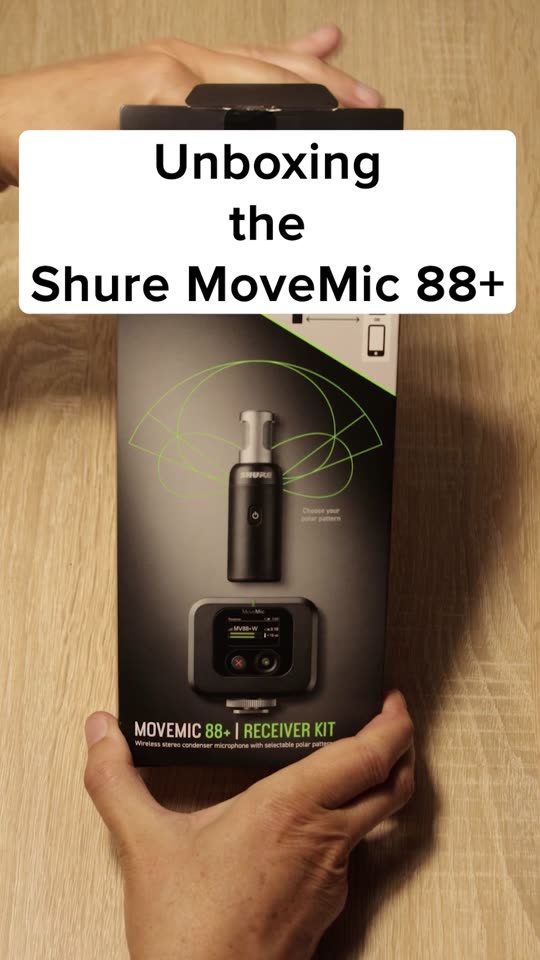 Unboxing UGC (Authentic) UGC (Authentic) for Shure: a hands-only unboxing of the MoveMic 88+ with on-screen text listing what is in the box and the companion app shown on a phone. Watch in the showcase ↗
-
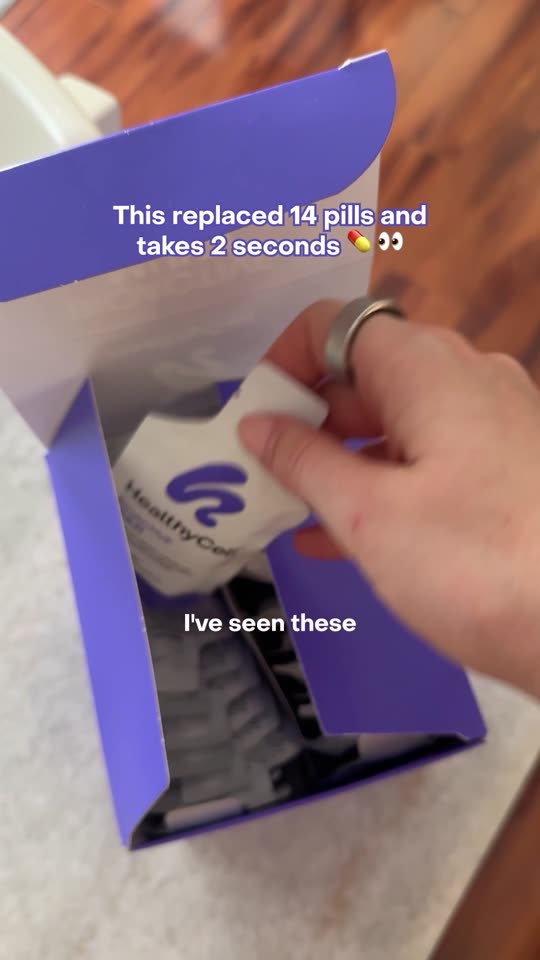 Replaced 14 Pills and Takes 2 Seconds UGC (Authentic) UGC (Authentic) for HealthyCell: the gel pack is squeezed on camera, then a creator holds it up and talks, closing on a packshot. Watch in the showcase ↗
-
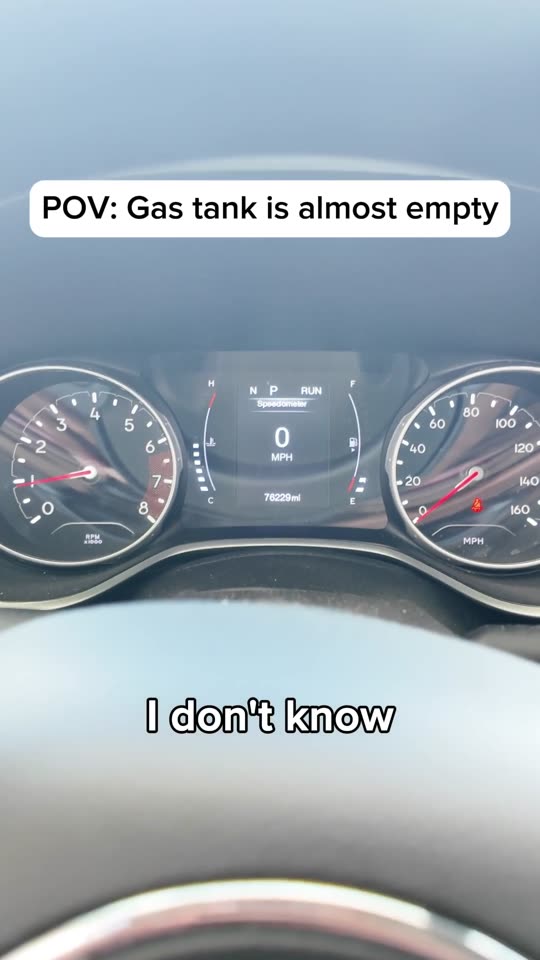 Five Dollars Of Gas UGC (Authentic) UGC (Authentic) for Super.com: a near-empty fuel gauge, a creator in his car, the app screen, and an end card carrying the offer. Watch in the showcase ↗
-
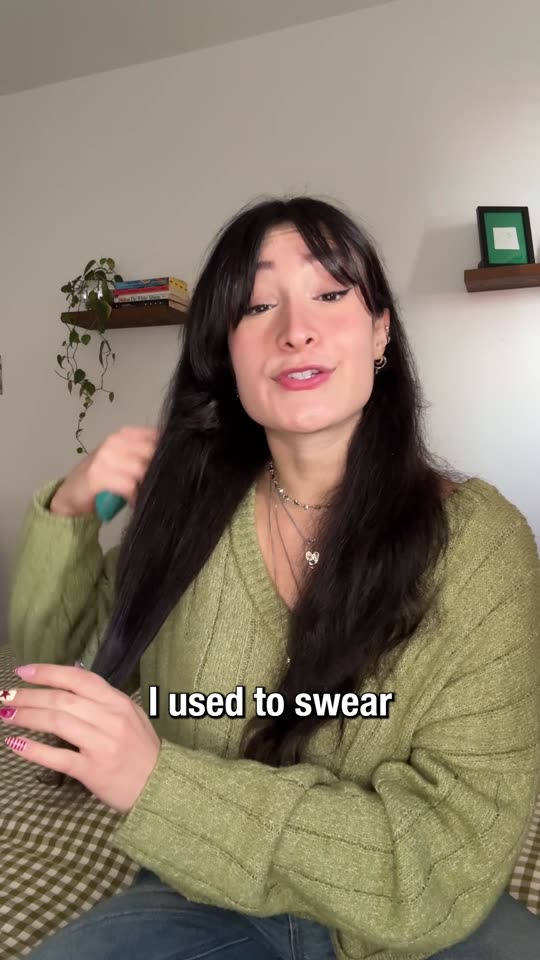 What's my Hair Type, Actually UGC (Authentic) UGC (Authentic) for Prose: a creator walks through the hair quiz on the Prose site on screen before showing the bottles. Watch in the showcase ↗
-
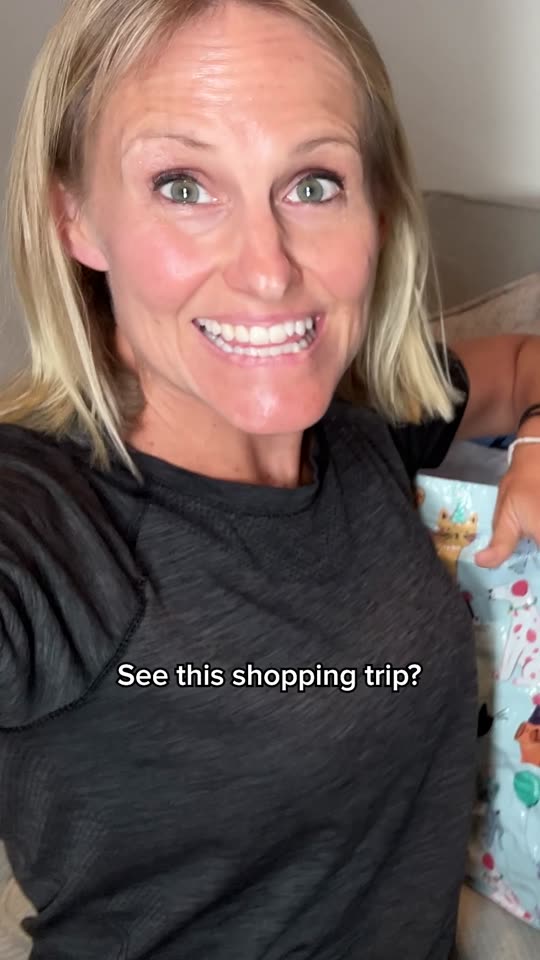 Cashback in Real Life UGC (Authentic) UGC (Authentic) for Rakuten: a creator to camera intercut with a screen recording of cashback offers in the app. Watch in the showcase ↗
-
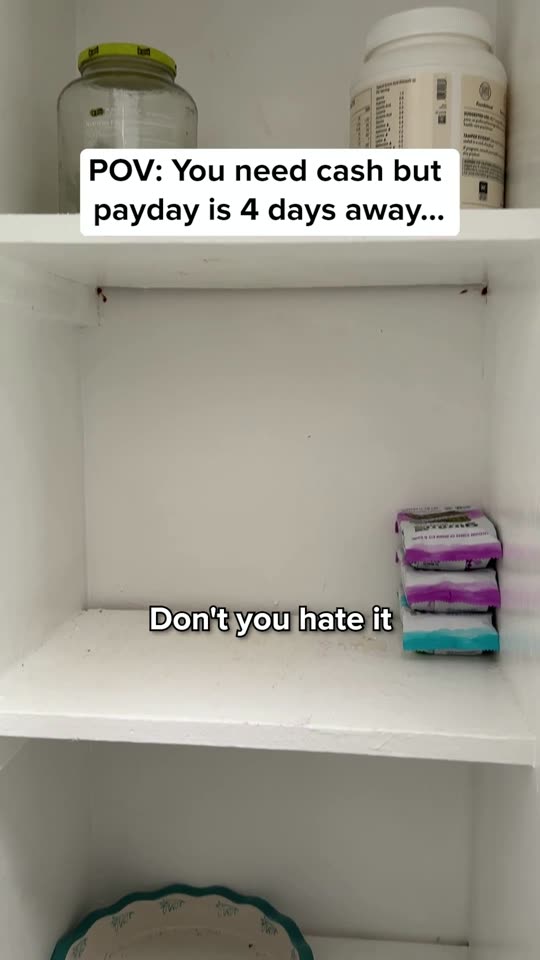 Everything Runs Out At Once UGC (Studio) UGC (Studio) for Super.com: a POV caption over an empty cupboard, a scripted monologue to camera and an offer end card. Watch in the showcase ↗
Read more
Questions people ask
What makes a UGC ad for a brand work?
A demonstration, an offer, proof and a page that keeps the promise. AppLovin's review of the top 1,000 web advertiser videos by spend found most top performers use a UGC-style format and about 40% featured a promotion.
Is this different from UGC for games?
The craft is the same; the job is different. For a brand, the ad has to demonstrate the product and make an offer the landing page then keeps.
What is the difference between studio and authentic UGC?
Authentic is one creator, a phone and a real room. Studio keeps the creator style but scripts and stages it, which gives tighter control of what is said on camera. Our showcase has both, for example Super.com's Five Dollars Of Gas (authentic) and Everything Runs Out At Once (studio).
Can we run the ads from a creator's account?
Yes, with the creator's permission. TikTok Spark Ads can use a creator's account as the identity, and Meta partnership ads let advertisers run ads with creators. We treat it as a test, not a default.
How many creators can you brief?
We have 7,600+ creators ready to brief, and we cast actors where trust has to land.
Also under Commercial