02 / Commercial · Performance marketing
Performance marketing for brands, with the creative made in house.
We run and read paid media for commercial brands on AppLovin, Meta and TikTok, put a creative lead inside your ad account, and make the creative and the landing pages the media runs on. Clients come for either half, the media or the creative, and most end up with both, because on today's networks the ad decides the audience.
What a performance marketing agency does
A performance marketing agency buys paid media against a business result, such as purchases, revenue or installs, and is judged on that result rather than on reach or views. For a consumer brand the work is setting goals and budgets on each network, supplying the creative those networks run on, building the pages the ads lead to, and reading the results every week to decide what happens next.
Flixr runs and reads paid media on AppLovin, Meta and TikTok, puts a creative lead inside the client's ad account, and makes the creative itself: UGC and creator video, motion, statics, end cards and the landing pages the ads lead to. Clients come to us for either half, the media or the creative, and most end up with both, because the ad decides the audience on today's networks. The rest of this page is why we think that is true, and what it changes about the job.
The channels
The three networks we run for consumer brands each describe their own automation, and each puts creative near the centre of it.
| Channel | What the platform says |
|---|---|
| Meta | Advantage+ sales campaigns "use AI to optimize ad targeting, bidding, and placement" and "are fueled by an advertiser's creative diversification strategy" (Meta, April 2025) |
| TikTok | Smart+ lets advertisers "automate parts of campaign setup while keeping module-level control across targeting, budget, placements, and creative"; its audience targeting "automatically finds the right audience with minimal input" (TikTok, May 2026) |
| AppLovin | In its latest quarterly filing, AppLovin says its investments "will also allow us to continue to enter into and expand into new verticals outside of gaming, such as e-commerce and CTV" (10-Q, quarter ended 30 September 2026) |
Two notes on that table. TikTok reports that Sales Campaigns with Smart+ Catalog Ads showed "a 29% improvement in CPA versus manual campaigns in closed beta testing", from its own internal data, and adds that "past performance does not guarantee or predict future performance." And AppLovin's filing lists, among its risks, "our ability to attract and retain clients, including in new markets such as e-commerce." For commercial brands AppLovin is a newer channel than Meta or TikTok, which is a reason to test it properly rather than a reason to skip it. Our view of where it fits is on AppLovin for brands and in AppLovin for ecommerce: the step the explainers skip.
Why creative now decides targeting
Our framing: a media buyer's craft used to be the audience, with interests, lookalikes and exclusions. The platforms have taken most of that over, and they say so.
Meta's April 2025 post on creative diversification puts it directly: "In the past, advertisers relied heavily on targeting specific demographics, interests, and behaviors to reach their desired audience. However, with the rise of AI-enabled advertising tools, the focus has shifted from niche targeting to creative diversification as the best lever to find the most relevant audiences." The same post says: "The biggest constraint you can put on your Meta strategy is the constraints you place on your creative process."
Meta's engineering team describes the machinery behind this. Its December 2024 post on Andromeda, which it calls its "next-gen personalized ads retrieval engine", says Advantage+ "further increases the number of eligible ads through automation of audience creation, optimal budget allocation, dynamic placement across Meta surfaces, and creative generation", and that "the number of ads creatives in Meta's recommendation systems is expected to grow significantly." It also reports that "more than a million advertisers used our generative AI (GenAI) tools to create more than 15 million ads in a month."
AppLovin is heading the same way on creative supply. Its quarterly filing says "we have begun to introduce tools that create AI-generated interactive ads and video creatives for advertisers."
The consequence, in our view: when the network chooses who sees an ad, the ad itself is the main signal of who it is for. A demonstration for a nurse, a joke for a student and an offer for a bargain hunter will find three different audiences, even inside one broad campaign. So the media plan is mostly a creative plan. We made the longer argument in The networks know your users better than you do. So the creative is the targeting.
Media and creative in one team
If creative decides who sees the ad, splitting media and creative between two firms puts the main lever on the far side of a handoff. The media buyer sees the result; the creative team sees a brief a week later.
We keep both in one team. The people buying the media and the people making the ads read the same results every week. The loop is brief, make, launch, read, log. We make video, creators and UGC, motion, end cards, statics and the landing page from the same brief, with generative AI where it earns its place and cast actors where trust has to land, from 7,600+ creators ready to brief.
What that looks like in practice is range. A few pieces from our showcase for consumer brands, each a different route to a different buyer:
- Street Interview #1 for Bumble, a UGC ad in a street-interview format.
- Kibble Crime Scene for Mills, a UGC ad named for a premise rather than a product.
- APLA EasyOn for Nike, a studio-produced UGC ad.
- Why Webull is the Smart Choice for Webull, a motion graphics ad.
- Careem Lifehack for Careem, a UGC ad framed as a lifehack.
How to measure it
Each network reports the conversions it credits to itself, and in our view those counts should never simply be added up. So we read three numbers, and keep them apart.
| Measure | What it is | Use it for |
|---|---|---|
| ROAS | Google defines the target as "the average conversion value (for example, revenue) you'd like to get for each dollar you spend on ads" | Comparing ads and campaigns inside one channel |
| MER | Shopify: "Total revenue ÷ total marketing spend = marketing efficiency ratio" | Checking the whole business, across every channel |
| Incrementality | Google: incrementality experiments are "the way to measure the causal impact of ads" | Deciding whether a channel or a creative set adds demand |
Google's Conversion Lift describes the standard incrementality design: split people into those who see your ads and those who do not, and "the difference in conversions between these 2 groups will tell you the 'lift,' or the increase in conversions that are caused by the presence of the ad." Shopify notes that "MER and ROAS (return on ad spend) measure marketing performance at different levels."
Our view: platform ROAS decides which ad to make more of; MER tells you whether the business is better off; a holdout or a bake-off tells you whether a new channel is adding customers or re-counting the ones Meta already found. We judge creative on purchases, revenue and ROAS rather than on clicks. How we run that test is in How to prove a new channel adds demand and Incrementality testing for ad creative.
The first month
An engagement starts with read-only access to your results and ad accounts, so we are judged on the same numbers as your team. The first month is spent moving in: reading 90 days of your ads one by one, a gap analysis of what works and who you do not reach yet, then the first three hypotheses go live and the logbook opens.
Alongside that, Flixr Studio, our own tool, reads your category. It tracks every ad running on AppLovin, Meta and TikTok, how long each one lasted and what replaced it, and calls the winners by what the networks keep funding rather than by what got clicks. It has read over 40,000 ads across 195 markets.
After that the loop runs every week, and the results it aims at are more conversions per thousand impressions, new audiences and a lower cost per result.
What you get
Media and creative in one team
The people buying the media and the people making the ads read the same results every week.
A creative lead in your account
Read-only access to your results and ad accounts, so we are judged on the same numbers as your team.
A read of your category
Flixr Studio tracks every ad running in your category on AppLovin, Meta and TikTok, and what the networks keep funding.
Three numbers, kept apart
ROAS inside each channel, MER across the business, and incrementality tests to show what a channel adds.
How it runs
One loop, every week.
- 01 Read Read-only access to your results and ad accounts, so we are judged on the same numbers as your team.
- 02 Brief A gap analysis of what works in your account and who you do not reach yet becomes the first three hypotheses.
- 03 Make and launch We make the creative in house and launch it into your campaigns.
- 04 Log Every result goes into the logbook, and the next brief starts from it. The loop runs every week.
The work
Work that shows it.
-
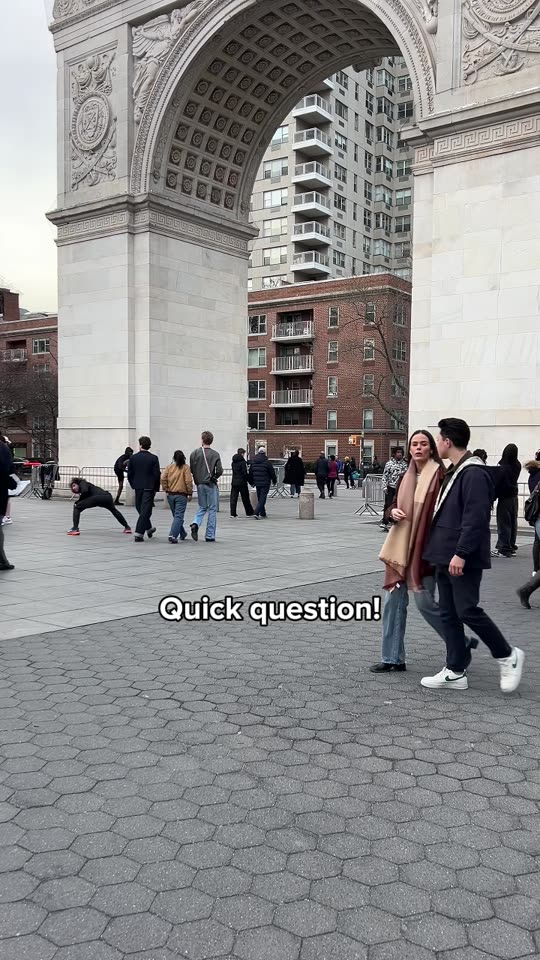 Street Interview #1 UGC (Authentic) A UGC ad for Bumble in a street-interview format, one of several routes to a buyer we run side by side. Watch in the showcase ↗
-
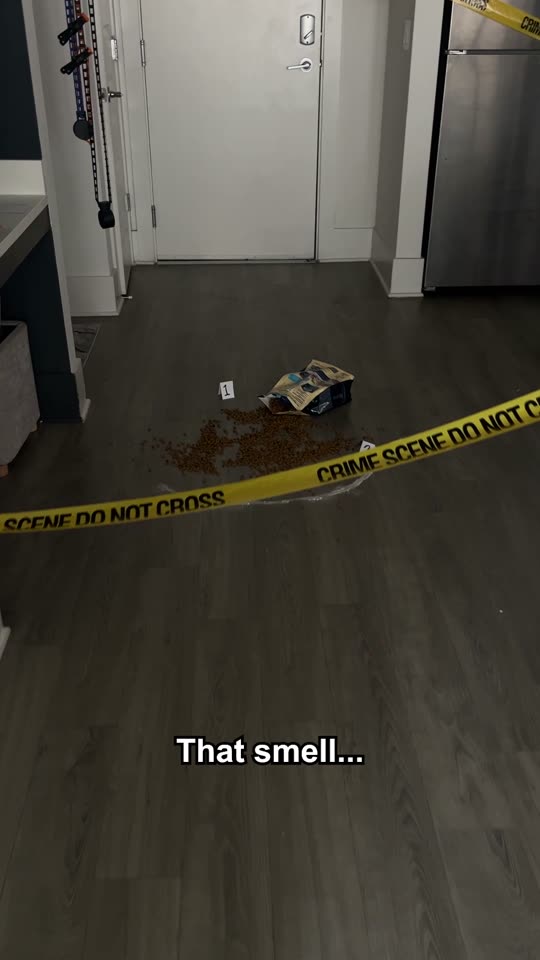 Kibble Crime Scene UGC (Authentic) A UGC ad for Mills named for a premise rather than a product, the kind of distinct concept a network can sort audiences with. Watch in the showcase ↗
-
 APLA EasyOn UGC (Studio) A studio-produced Nike ad, showing produced video in the same mix as creator-led pieces. Watch in the showcase ↗
-
 Why Webull is the Smart Choice Motion Graphics A motion graphics ad for Webull, a different format from the person-led UGC in the same mix. Watch in the showcase ↗
-
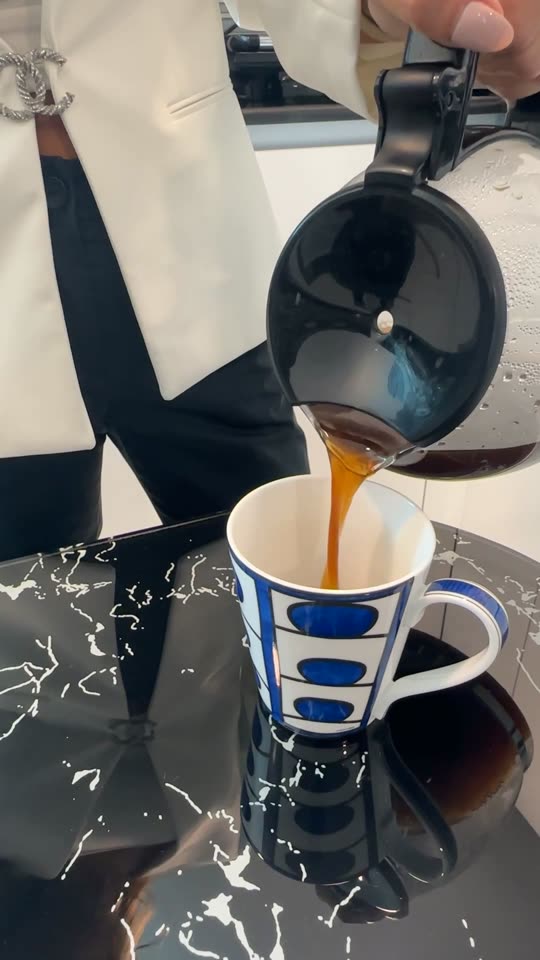 Careem Lifehack UGC (Authentic) A UGC ad for Careem framed as a lifehack, a different angle again for a different buyer. Watch in the showcase ↗
-
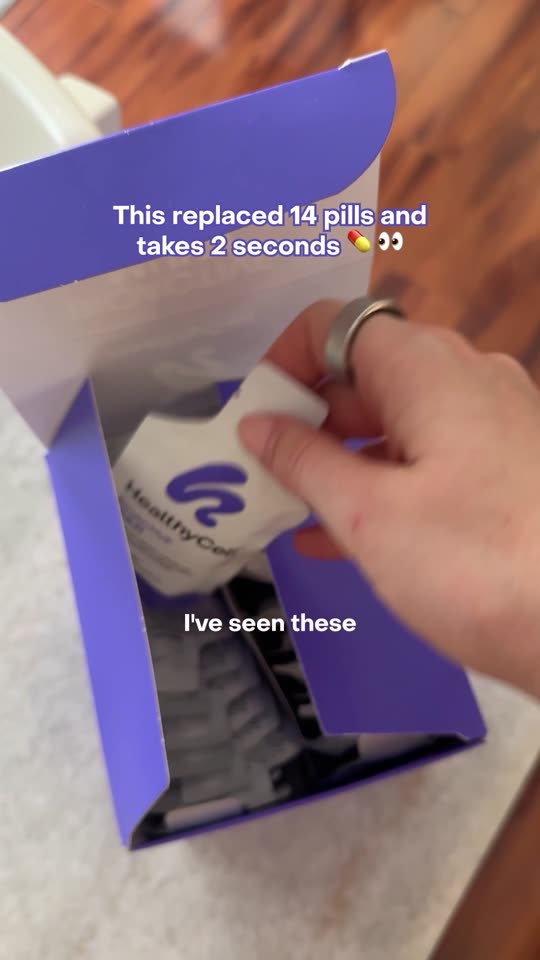 Replaced 14 Pills and Takes 2 Seconds UGC (Authentic) A UGC ad for HealthyCell whose title makes a single, specific promise the landing page then has to keep. Watch in the showcase ↗
Read more
Questions people ask
What does a performance marketing agency do?
It buys paid media and is judged on results such as purchases, revenue and installs. Flixr also makes the creative and the landing pages that media runs on.
Which channels do you run for consumer brands?
AppLovin, Meta and TikTok. We run and read the media and make the creative for all three.
Why does creative matter more than targeting now?
Because the networks do most of the targeting themselves. Meta wrote in April 2025 that "the focus has shifted from niche targeting to creative diversification as the best lever to find the most relevant audiences."
How do you measure results?
On purchases, revenue and ROAS inside each channel, MER (total revenue divided by total marketing spend) for the business as a whole, and holdout or bake-off tests to check whether a channel adds demand rather than re-counting it.
How does an engagement start?
With read-only access to your results and ad accounts. The first month is spent reading 90 days of your ads one by one, a gap analysis of what works and who you do not reach yet, then the first three hypotheses go live and the logbook opens.
Do you do the media, the creative, or both?
Either. Clients come to us for either half, and most end up with both, because the ad decides the audience on today's networks.
Also under Commercial