01 / Gaming · User acquisition
User acquisition for mobile games, with the creative made in house.
We run and read paid media for mobile games on AppLovin first, then Meta, TikTok and the rest, and we make the creative that the media depends on. Every major network now buys toward the goal you set, so the creative is the input with the most range. A creative lead sits inside your ad account, decides what to make next from the result, and reports on installs and payers in your MMP rather than on views.
What a mobile game UA agency does
A user acquisition (UA) agency buys paid installs for a mobile game across the ad networks, and is held to what those players are worth: installs, retention, payers and return on spend. The work is setting goals and budgets per network, supplying the creative each network needs, and reading the results in the measurement partner every week.
Flixr runs and reads paid media on AppLovin, Meta and TikTok, puts a creative lead inside the client's ad account, and makes the creative itself: UGC and creator video, playables, end cards and the pages they lead to. Clients come to us for either half, the media or the creative, and most end up with both, because the ad decides the audience on today's networks.
The networks, and what each one asks of you
Every major network now buys toward a goal you set and leaves most of the targeting to its own models. What changes between them is the goal menu and the creative they run on.
| Network | What you set | What it says about creative |
|---|---|---|
| AppLovin | Competitive goals "in-line with your profitability targets"; a daily budget that delivers at least 15 to 20 conversions a day; "a single, global budget" | "the majority of AppLovin's inventory is video-based"; use "a mix of video, playable, and static assets" |
| Meta | Advantage+ app campaigns: 1 campaign, 1 ad set, multiple ads | Formerly Automated App Ads; uses "machine learning and automated systems to drive more results for your app install ads" |
| TikTok | App Promotion objective: drive installs or retarget existing users, then an optimisation goal (installs, or an in-app conversion such as purchase) | Ads are built in Ads Manager after the goal is set |
| Unity | Install (CPI, the default), ROAS target, Event (retention is one option), Creative testing | Creative testing campaigns give "each creative pack a fair opportunity to serve impressions" |
| App campaigns across Search, Play, YouTube, the Display Network and Discover | You supply "text, images, videos, and HTML5 assets"; Google tests ad combinations and serves the best |
Sources for each row are AppLovin's support centre, Meta's developer docs, TikTok's help centre, Unity's docs and Google Ads Help, all linked in our sources list.
Our order, for most games: AppLovin first, then Meta, TikTok and the other networks your game buys on. Our side-by-side on the first two is in AppLovin vs Meta Ads.
How creative and media interact
Read the table again and the pattern is plain: the advertiser sets a goal and a budget, and the network's model decides who sees what. The one input left with real range is the creative. That is the argument in the networks know your users better than you do, and it is why a UA team that cannot supply new creative every week stalls.
In practice the creative has to cover several jobs at once. A playable for Metacore lets the player try the game inside the ad. A creator video like Activision's Free Space or Dream Games' Against the Clock sells the game through a person. Motion work like Warner Bros Games' Sheepstealer Outrun Split Screen shows the game world. Live action like Zynga's NBA Pro Gamer Moves stages an idea. Each reaches a different player, which is what we mean by new audiences. How many you need is in how many creatives you need for AppLovin.
MMPs and measurement
A mobile measurement partner (MMP) is, in Singular's words, a "third-party marketing measurement and attribution company" "that collects, organizes, and presents data from marketing campaigns." It is the neutral place where every network's claims are reconciled, and where we read results.
iOS. Apps need the App Tracking Transparency framework if they collect data and share it with other companies to track people across apps and websites. On iOS 14.5 and later, Apple's docs say the advertising identifier returns all zeros if the app has not requested authorization or the user declines. Install attribution without that identifier runs through Apple's own frameworks. Apple's SKAdNetwork page now says to use AdAttributionKit for app ad campaigns on the App Store and alternative marketplaces. Under both, the device sends postbacks to the ad network; Apple sets a postback data tier "to help ensure crowd anonymity"; the advertised app updates a conversion value as the person engages, across three conversion windows; and the signed postback "doesn't include user- or device-specific data." For installs, up to five other ad networks receive a non-winning postback.
Android. The advertising ID is "user-resettable, and user-deletable", and once deleted, apps asking for it "will receive a string of zeros." The Play Install Referrer API gives the referrer URL and the timestamps of the referrer click and of when the install began. Google announced on 17 October 2025 that it would retire the Privacy Sandbox Attribution Reporting API on Chrome and Android, citing feedback and "low levels of adoption."
What that means for a game, in our view: iOS results arrive as postbacks whose detail depends on a privacy tier and carry no user-level data, so creative decisions there are made on coarser signals. Both are read in the MMP, next to each network's own reporting, and judged on payers and return, not on clicks. When a channel's credit looks too good, test it: is AppLovin incremental or taking Meta's credit.
The weekly loop
The ad is the output; the system is the product. Signals come in: your results, your ad library, your rivals and category, and what we have learned across clients. The loop runs every week: brief, make, launch, read, log. Flixr Studio, our own tool, tracks every ad running in a category on AppLovin, Meta and TikTok, how long each one lasted and what replaced it, and calls the winners by what the networks keep funding rather than by what got clicks; it has read over 40,000 ads across 195 markets. We make video, creators and UGC, motion, playables, end cards and statics from the same brief, from 7,600+ creators ready to brief, with generative AI where it earns its place and cast actors where trust has to land.
What to expect in the first month
An engagement starts with read-only access to your results and ad accounts, so we are judged on the same numbers as your team. The first month is spent moving in: reading 90 days of your ads one by one, a gap analysis of what works and who you do not reach yet, then the first three hypotheses go live and the logbook opens.
What you get
A creative lead in your account
Someone who reads your results every week and decides what gets made next.
Media and creative together
Clients come for either half, the media or the creative, and most end up with both, because the ad decides the audience on today's networks.
A read of your category
Flixr Studio, our own tool, tracks the ads running in your category and what the networks keep funding.
Your numbers
Read-only access to your MMP and ad accounts, so we are judged on the same numbers as your team.
How it runs
One loop, every week.
- 01 Read Read-only access to your results and ad accounts, so we are judged on the same numbers as your team.
- 02 Brief A gap analysis of what works in your account and who you do not reach yet becomes the first three hypotheses.
- 03 Make and launch We make the creative in house and launch it into your campaigns.
- 04 Log Every result goes into the logbook, and the next brief starts from it. The loop runs every week.
The work
Work that shows it.
- Playable The Getaway Playable A playable for Metacore that lets the player try the game inside the ad, one of the formats AppLovin asks advertisers to mix in. Play it in the showcase ↗
-
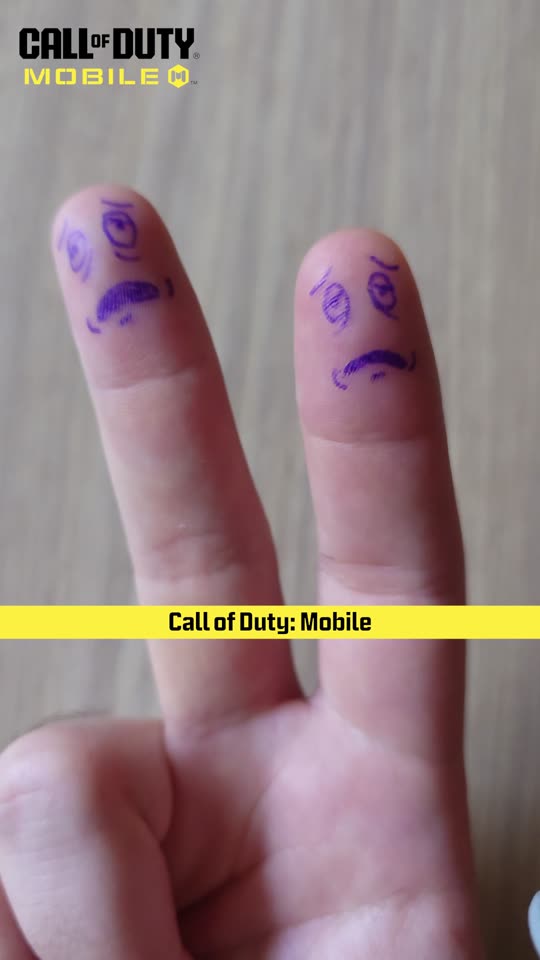 Free Space UGC (Authentic) A UGC piece for Activision's Call of Duty: Mobile, the creator-style format the social feeds run on. Watch in the showcase ↗
-
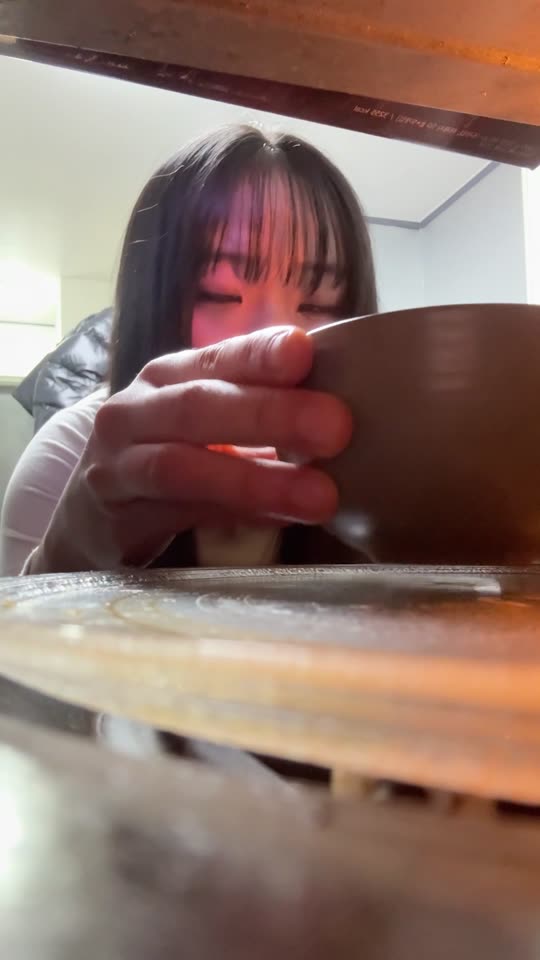 Against the Clock UGC (Authentic) A UGC piece for Dream Games' Royal Match, the kind of feed creative Meta and TikTok run on. Watch in the showcase ↗
-
 Sheepstealer Outrun Split Screen Motion Graphics A motion graphics split-screen for Warner Bros Games that shows the game world without a presenter. Watch in the showcase ↗
-
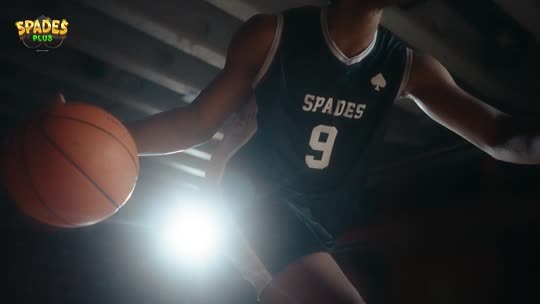 NBA Pro Gamer Moves Live Action A live-action spot for Zynga's Spades Plus that stages an idea, a different route to a different player. Watch in the showcase ↗
-
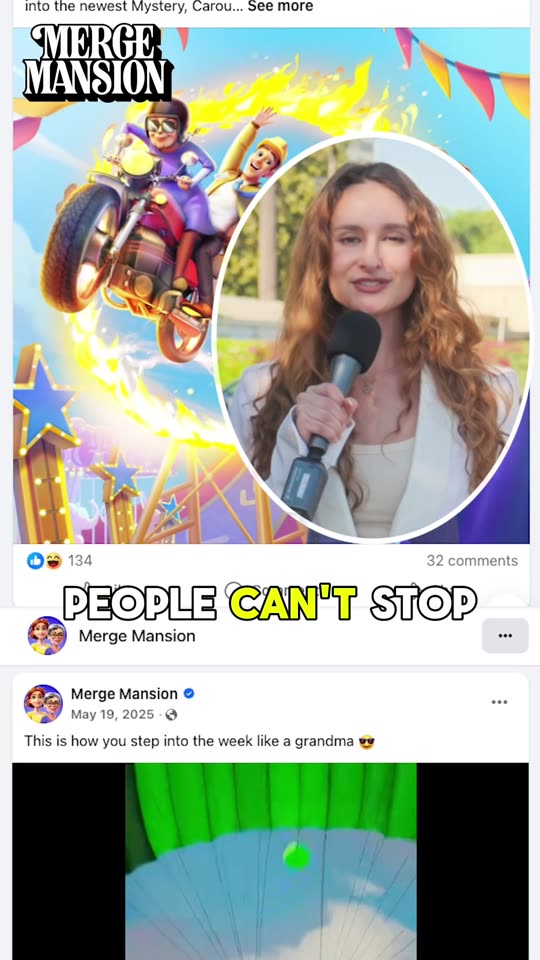 Secret Skills UGC (Studio) A studio-made creator video for Metacore's Merge Mansion, showing produced UGC as part of the same mix. Watch in the showcase ↗
Read more
Questions people ask
Which networks do you run user acquisition on?
AppLovin first, then Meta, TikTok and the rest of the networks your game buys on.
How do you measure results on iOS after App Tracking Transparency?
In your MMP, using Apple's attribution frameworks. Apple now points app advertisers to AdAttributionKit, which sends postbacks with conversion values and no user- or device-specific data, so in our view iOS results are coarser than the user-level data advertisers had before. We read them alongside each network's reporting and judge on payers and return.
Do you need access to our ad accounts?
Read-only access to your results and ad accounts to start, so we are judged on the same numbers as your team.
How does an engagement start?
The first month is spent moving in: reading 90 days of your ads one by one, a gap analysis of what works and who you do not reach yet, then the first three hypotheses go live and the logbook opens.
Do you do the media, the creative, or both?
Either. Clients come to us for either half, and most end up with both, because the ad decides the audience on today's networks.
Also under Gaming