01 / Gaming · UGC ads for games
UGC ads for games, cast, scripted and cut in house.
We make UGC and creator video ads for mobile games: a real person, a hook written for the player you want, and the game footage cut in properly. We cast actors where trust has to land and brief from 7,600+ creators ready to go, then cut each concept into the versions a UA team needs every week.
What UGC ads for games are
UGC ads for games are short vertical videos in which a person on camera, a creator or a cast actor, talks about, reacts to or plays a game, with real gameplay cut in, made to look and sound like a post from the feed rather than a trailer. They are paid user acquisition ads: the job is an install from a player who stays, not views.
UGC stands for user-generated content, but in performance work very little of it is generated by users. It is written, cast and directed to a brief, then shot to feel native. The label describes the look and the voice, not who made it.
Why they work for game user acquisition
The networks say it in their own guidance. TikTok's help centre article on creative best practices for performance ads recommends "featuring people such as creators, employees, or customers to capture attention and increase engagement", and for aesthetics a "DIY or not overly polished style" so the ad "fits in with the user-generated content on TikTok."
Players already find games this way. TikTok's gaming page reports that "59% of TikTok gamers find new games on TikTok" and "41% of TikTok gamers have made gaming videos", both from a TikTok Marketing Science survey run via AYTM in April 2024 among gamers on TikTok aged 18+.
On AppLovin, video is most of the inventory. Its guidance for app advertisers says "the majority of AppLovin's inventory is video-based" and asks advertisers to "Upload and test new creative assets frequently." AppLovin's video best practices page, written for advertisers promoting websites, adds that "The vast majority of top-performing videos use a UGC-style format", based on "the top 1,000 video ads by spend among web advertisers." That is commerce data, not game data, so we read it as a signal about the format on AppLovin's inventory rather than a game benchmark.
Both social networks also let you run an ad from the creator's own account. TikTok's help centre says Spark Ads let you use "organic TikTok posts and their features in your advertising", with "your in-house organic TikTok account or a creator's account" as the identity. Meta's developer blog says partnership ads "allow advertisers to run ads with creators, brands, and other businesses", and that they use "signals from both accounts for improved ranking and incremental performance."
Studio-made and authentic: two kinds of UGC
Our showcase files UGC under two styles, UGC (Authentic) and UGC (Studio). The difference is a production choice, not a quality grade.
UGC (Authentic) is one creator, a phone and a real place. In I Came Back Angry for Empires & Puzzles, a creator talks straight to camera as a guild mate ("We lost the war again last night"), cut against match-3 battle footage. Free Space for Call of Duty: Mobile explains two-thumb controls with faces drawn on fingers, then cuts to hands playing on a phone. Ice Bucket Challenge for Clash Royale is a homemade outdoor challenge with each Clash Royale card named on screen.
UGC (Studio) keeps the creator grammar but stages it: a cast, a location, a scripted scene. Secret Skills for Merge Mansion is a street interview in which an older woman steps onto a skateboard. Vintage Find for June's Journey stops a man carrying a vintage frame in the street and cuts from his find to the game's hidden-object scenes. Steam Values for Royal Match is a scripted kitchen skit that hands over to gameplay with a tapping hand and an end card.
How we choose, in our view:
| UGC (Authentic) | UGC (Studio) | |
|---|---|---|
| Best for | a testimonial, a reaction, "I found this game" | a concept that needs a scene, a twist or more than one person |
| Per piece | faster and cheaper, so more of them | slower, with more control over every frame |
| Main risk | drifts off brief | starts to look like an ad |
| Where it fits | testing many hooks; running from the creator's account | scaling a hook that has already earned a scene |
Most accounts need both: authentic to find what players respond to, studio to build out an idea that has earned it. We go deeper in UGC or produced: pick by job, not by fashion.
Casting
The face decides who stops. A grandmother on a skateboard and a guild mate in a red polo reach different players before either says a word. We cast for the player you are buying, not for the size of a following, and use actors where trust has to land; the reasoning is in why we work with actors rather than influencers. AppLovin's web advertiser guidance makes a related point: "showing more than one creator also increases the chances an ad will resonate with a broader audience."
Hooks
TikTok advises advertisers to "Prioritize your hook in the first 6 seconds" and to "Introduce your content proposition in the first 3 seconds for better recall and awareness." In AppLovin's review of top web advertiser videos, "about 15% of top videos" open with provocative UGC hooks that "create open loops or questions", sometimes "'criticism' about the product that flips into praise". For games, our equivalents are the confession, the dare, the rivalry and "I was wrong about this game". The method is in how to write hooks for UGC video ads on TikTok.
Gameplay integration
The creator earns the attention; the gameplay keeps the promise. Our rule is real footage of the game, cut in early enough that the viewer knows what they are installing, and nothing shown that the game does not deliver.
The cut has to work with and without sound. AppLovin's page says "Most mobile gamers have sound off by default, which makes captions critical", and that "95% of top spending videos it reviewed had prominent captions." TikTok lists "using sound/ music" among the basics and recommends "captions or text overlays to provide context".
Length is a network decision. AppLovin's web guidance says to "test videos of all lengths, with a focus on videos longer than 30 seconds", because "rewarded placements are skip-delayed for up to 60 seconds". Its app creative specs call for 9:16 video with a "Maximum duration: 60 s".
Volume
TikTok suggests "3-5 different creatives per ad group", says "it is always better to use creatives with big differences, especially when testing", and recommends "a consistent supply of creatives to refresh". AppLovin's web guidance asks for "as many 9×16 portrait videos as possible, on a regular basis." Volume is made in the edit: one shoot gives many hooks, creators, lengths and end cards. See the edit is where creative volume is won or lost.
How Flixr does it
We brief from 7,600+ creators ready to brief and cast actors where trust has to land. Each script starts from what your category is funding, read with Flixr Studio, our own tool: it tracks every ad running in a category on AppLovin, Meta and TikTok, how long each one lasted and what replaced it, and has read over 40,000 ads across 195 markets. Video, playables and end cards come from the same brief, with generative AI where it earns its place.
An engagement starts with read-only access to your results and ad accounts, so we are judged on the same numbers as your team. The first month reads 90 days of your ads one by one, maps what works and who you do not reach yet, then puts the first three hypotheses live. After that the loop runs every week: brief, make, launch, read, log.
How to measure it
Judge UGC on the result the campaign buys, installs and the paying or retained players behind them, not on views or likes. In our view, read by concept (hook, creator, angle), not by file.
Let the network do the pruning. AppLovin's web guidance says "You do not need to pause creatives. AppLovin's optimizer automatically reduces spend on creatives that don't perform." TikTok recommends refreshing "when delivery results exhibit a consistently declining trend, or when daily new users are low", and adding new creatives "to an existing ad group instead of creating a new ad group". For app campaigns, AppLovin recommends a daily budget that allows at least 15 to 20 conversions of the target event a day across the campaign, for stable performance. Flixr Studio reads winners the same way: by what the networks keep funding rather than by what got clicks.
What you get
Casting
Actors and creators chosen for the player you are buying, from a roster of 7,600+ creators ready to brief.
Studio or authentic, by job
Phone-shot creator pieces to test many hooks, staged studio pieces when an idea has earned a scene.
Scripts with a reason
Each script starts from what your category is funding, read with Flixr Studio, our own tool.
Volume from the edit
One shoot becomes many hooks and cuts, so the account always has new creative to test.
Gameplay done right
Real footage of the game, cut in so the ad keeps the promise the game makes.
How it runs
One loop, every week.
- 01 Read Read-only access to your results and ad accounts, so we are judged on the same numbers as your team.
- 02 Brief A gap analysis of what works in your account and who you do not reach yet becomes the first three hypotheses.
- 03 Make and launch We make the creative in house and launch it into your campaigns.
- 04 Log Every result goes into the logbook, and the next brief starts from it. The loop runs every week.
The work
Work that shows it.
-
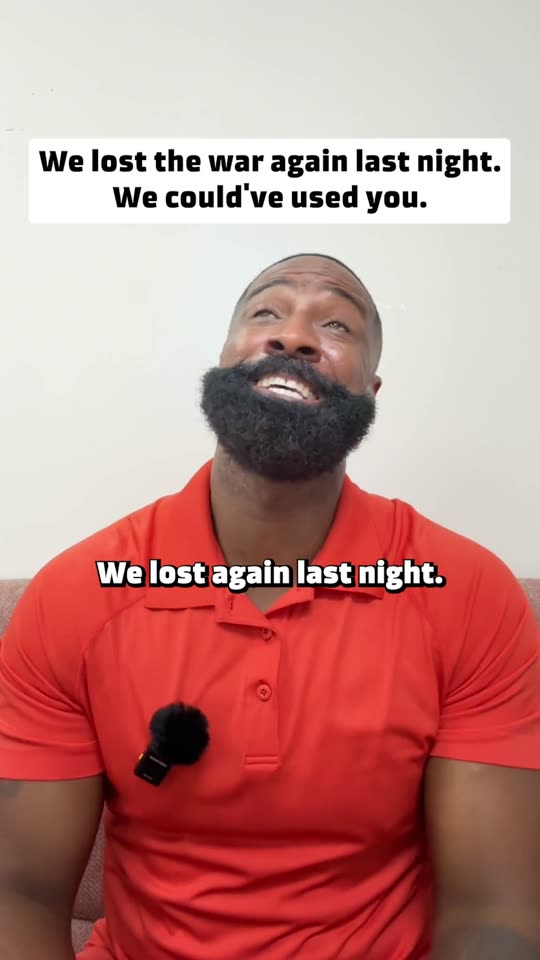 I Came Back Angry UGC (Authentic) UGC (Authentic) for Empires & Puzzles: a creator talks to camera as a guild mate who wants you back, cut against match-3 battle gameplay. Watch in the showcase ↗
-
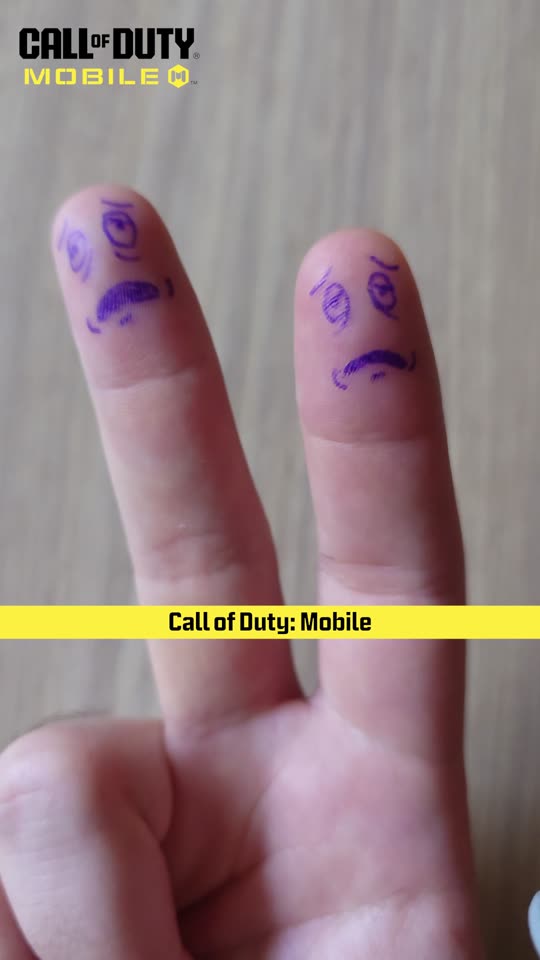 Free Space UGC (Authentic) UGC (Authentic) for Call of Duty: Mobile: faces drawn on fingers explain two-thumb controls before the ad cuts to hands playing on a phone. Watch in the showcase ↗
-
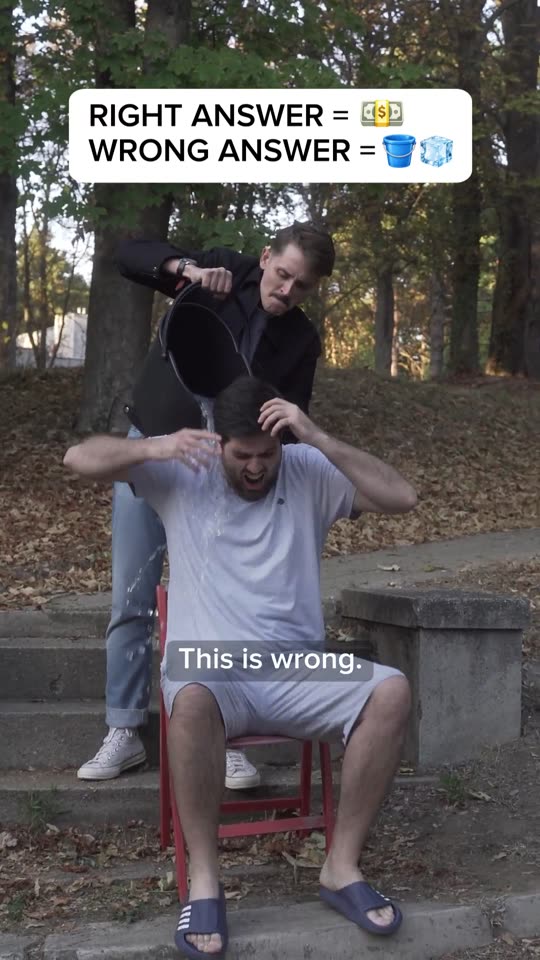 Ice Bucket Challenge UGC (Authentic) UGC (Authentic) for Clash Royale: a homemade outdoor challenge with each Clash Royale card named on screen. Watch in the showcase ↗
-
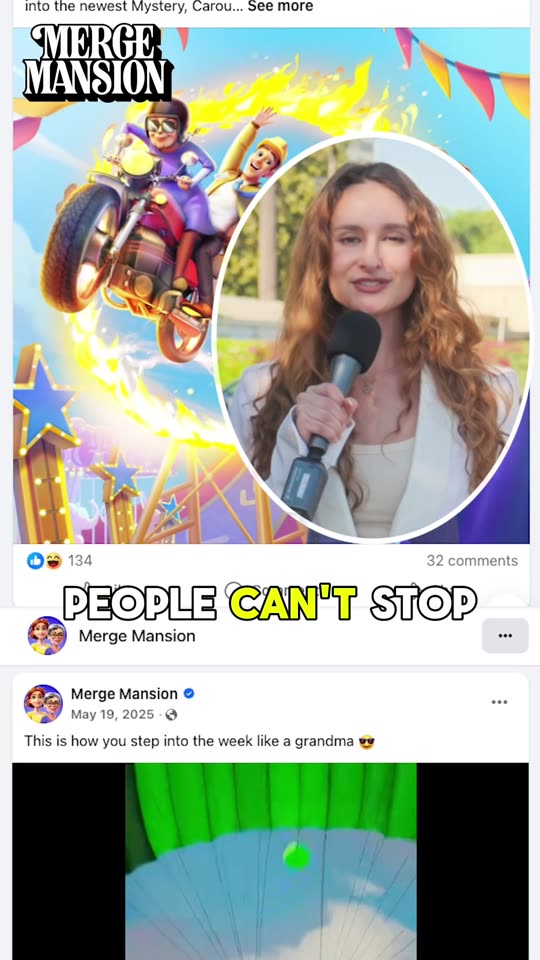 Secret Skills UGC (Studio) UGC (Studio) for Merge Mansion: a staged street interview in which an older woman steps onto a skateboard. Watch in the showcase ↗
-
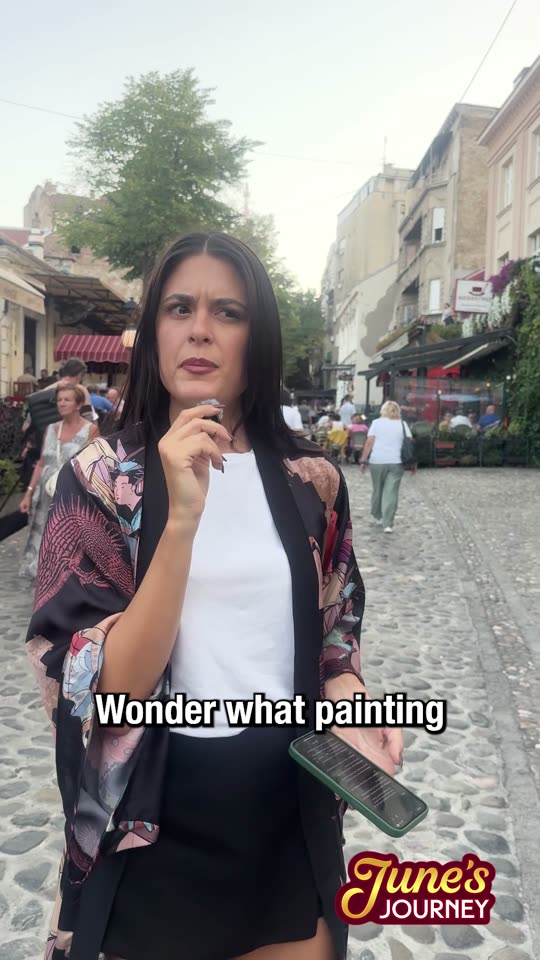 Vintage Find UGC (Studio) UGC (Studio) for June's Journey: a street interview with a man carrying a vintage frame that cuts to the game's hidden-object scenes. Watch in the showcase ↗
-
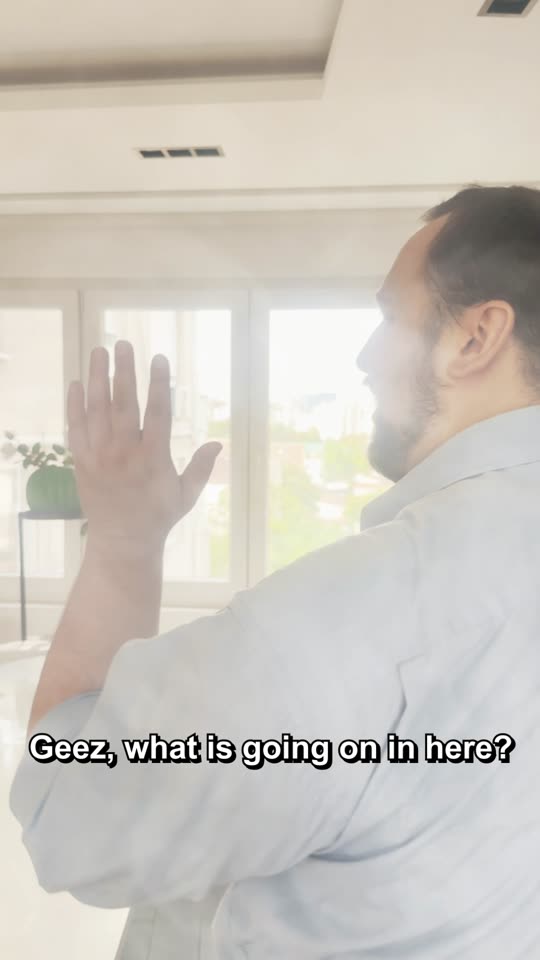 Steam Values UGC (Studio) UGC (Studio) for Royal Match: a scripted kitchen skit that hands over to gameplay with a tapping hand and ends on an end card. Watch in the showcase ↗
Read more
Questions people ask
What is the difference between UGC (Studio) and UGC (Authentic)?
Authentic is one creator, a phone and a real place, made to read as a post. Studio keeps that creator style but stages it with a cast, a location and a script. Our showcase has both: Free Space for Call of Duty: Mobile is authentic, Secret Skills for Merge Mansion is studio.
Why do UGC ads work for games?
Because players already find games through people. TikTok reports that 59% of TikTok gamers find new games on TikTok (TikTok Marketing Science survey via AYTM, April 2024), and its creative guidance recommends featuring people such as creators to capture attention.
How long should a UGC game ad be?
It depends on the network. AppLovin's specs allow 9:16 video up to 60 seconds, and its web advertiser guidance focuses testing on videos longer than 30 seconds. TikTok asks for the hook in the first 6 seconds.
Do you work with influencers or actors?
Mostly actors and directed creators, because a performance ad has to be built around a hook, a face and a demonstration that can vary. We have 7,600+ creators ready to brief and cast actors where trust has to land.
Can the ad run from the creator's own account?
Yes, where the creator agrees. TikTok Spark Ads can use a creator's account as the identity, and Meta partnership ads run with creators. We treat it as a test, not a default.
Do you use AI to make UGC?
We use generative AI where it earns its place and cast real people where trust has to land. Both run in the same pipeline.
Also under Gaming