02 / Commercial · Motion graphics for brands
Motion graphics for brands, for the jobs a creator cannot do.
We make motion and animated ads for consumer brands in house: product explainers, offers, data and kinetic type, built from the same brief as your creator video and the landing page. They run on AppLovin, Meta and TikTok alongside UGC, and are measured on purchases, revenue and ROAS.
What motion graphics ads are for brands
A motion graphics ad is a video built from animated design rather than filmed footage: kinetic type, product renders, icons, charts, illustrated scenes and interface, timed to a voiceover or a beat. For a consumer brand it is the format that explains something: how the product works, what the offer is, what the numbers say. It can stand alone or sit on top of filmed footage as captions, callouts and an animated offer.
Meta's own ads guide puts the case for movement in one line for Facebook Feed video: "To capture attention quickly, use movement and sound to show the unique features of a product or tell your brand story."
Where motion beats UGC, and where it does not
Be clear about the default first. AppLovin analysed the top 1,000 video ads by spend among web advertisers and says "the vast majority of top-performing videos use a UGC-style format", while its specs page adds that "UGC-style videos often perform well but can be complemented with other approaches." So motion is not the format we would lead a commercial account with. It is the format that does the jobs a creator talking to camera does badly.
| The job | Why motion does it better |
|---|---|
| Explaining a mechanism | An app, a service or a programme can be drawn step by step where filming it would show a phone screen and a thumb. |
| Stating an offer | A price, a code or a reward can be the biggest thing on screen, and stay legible with the sound off. |
| Showing data | Rates, savings and comparisons read faster as animated figures than as a creator reading them out. |
| Kinetic type | When the message is one sharp claim, type alone can carry it. |
| Regulated or abstract categories | Finance, energy and software have little to film; illustration gives them a picture. |
The patterns AppLovin found in those top web ads also apply to motion, which is a reason to treat the two formats as partners. In AppLovin's review "95% of top spending videos it reviewed had prominent captions", "85% use voiceover", and "approximately 40% of top videos featured some kind of promotion". Captions, voiceover and a clear offer are the native language of motion graphics. Our view is that the strongest commercial accounts run creator video for trust and motion for clarity, and often cut motion callouts into the creator video itself.
Formats and specs per network
Check each network's page before a batch goes out; specs change. As published when we wrote this:
| Network | What the network's own page says |
|---|---|
| AppLovin (web advertisers) | Full-screen vertical video, "9:16 (Portrait)", MP4, MOV or M4V, minimum 270 x 480, maximum 60 seconds, maximum 1 GB. "The video component of AppLovin ads is unskippable for up to 60 seconds." An interactive page (AIP) shows after the video finishes. |
| Instagram Reels (Meta) | Ratio 9:16, recommended 1440 x 2560, duration 0 seconds to 15 minutes. Leave at least 14% of the top, 35% of the bottom and 6% of each side free of text, logos or other important elements. |
| Facebook Feed (Meta) | Recommended ratio 4:5 at 1440 x 1800, duration 1 second to 241 minutes, maximum 4 GB. |
| TikTok in-feed (non-Spark) | Vertical 9:16 recommended at 540 x 960 or more; 16:9 and 1:1 also accepted; up to 10 minutes; 500 MB or less. |
Length deserves a note. AppLovin's video best practices, written for web advertisers, say to "test videos of all lengths, with a focus on videos longer than 30 seconds", because interstitial placements give "5+ seconds of guaranteed attention" and rewarded placements are "skip-delayed for up to 60 seconds". A 30 to 60 second motion piece has room to explain a product properly, which is rarely true of a six second social cut. Our AppLovin for brands page covers the channel in depth.
What good looks like
Two commercial pieces in our showcase are motion graphics, and both show a brand with little to film.
- Kinetic type for an offer. Webull "Why Webull is the Smart Choice" is vertical kinetic type over a market-data background, with animated coins, a piggy bank and a wallet. It states one claim per beat ("start investing today with as little as $1", "same-day settlement") and ends on the logo and a sign-up line.
- An illustrated explainer. Optiwatt "Optiwatt Commercial" is a 16:9 illustrated piece: an electric car charging, a tower of cars against an overloaded transformer, the app on a phone, then the reward offer and the areas where it applies.
Our gaming motion work shows the same craft applied to a harder explanation. These are game ads, shown here for technique:
- Gaming work: a how-to in under a minute. SEGA's Sonic Rumble "How to Rumble" walks through a game mode with motion, labels and a running player count before the call to action.
- Gaming work: a filmed opener into animation. Dragon City "DC Party Reveal" opens on a filmed party and turns into animated product, a hybrid we would use for brands that want a human hook and a clear demonstration.
How Flixr makes it
We make video, creators and UGC, motion, playables, end cards, statics and the landing page from the same brief, with generative AI where it earns its place and cast actors where trust has to land. For motion that means the animated offer, the creator video and the landing page carry the same claim, in the same words, because they were written together. We have 7,600+ creators ready to brief when the account needs the creator half as well.
The work runs on a weekly loop: brief, make, launch, read, log. It starts with read-only access to your results and ad accounts, so we are judged on the same numbers as your team, and a first month spent reading 90 days of your ads one by one before the first three hypotheses go live. Flixr Studio, our own tool, tracks every ad running in a category on AppLovin, Meta and TikTok, how long each one lasted and what replaced it, and has read over 40,000 ads across 195 markets. That tells us whether motion is already working in your category or whether it is an open lane.
How to test it
Our view: put motion in the same campaigns as your creator video and judge both on the same number, purchases, revenue and ROAS, not on views or click-through. Motion often wins attention and loses the sale when the page does not match the ad, so read the ad and the page together. We set that out in measure creative on purchases.
Use the platforms' own tools for clean comparisons. TikTok's split testing keeps other variables the same, shows each audience group only one ad group, and is designed to reach "a 90% confidence rate" before it names a winner. On AppLovin, the web advertiser guidance says "you do not need to pause creatives" because the optimizer "automatically reduces spend on creatives that don't perform."
Inside the format, test one variable at a time: offer first against mechanism first, kinetic type against illustration, motion callouts layered on a creator video against motion alone. More in UGC or produced and turning a still into a video ad.
What you get
Explainers, offers and data
The product's mechanism, the offer and the numbers, made legible with the sound off.
Built with the creator video
Motion callouts and creator footage from one brief, so they can be cut together.
Matched to the page
The claim in the animation is the claim on the landing page, written together.
Measured on purchases
Judged on purchases, revenue and ROAS in your accounts, and fed into next week's brief.
How it runs
One loop, every week.
- 01 Read Read-only access to your results and ad accounts, so we are judged on the same numbers as your team.
- 02 Brief A gap analysis of what works in your account and who you do not reach yet becomes the first three hypotheses.
- 03 Make and launch We make the creative in house and launch it into your campaigns.
- 04 Log Every result goes into the logbook, and the next brief starts from it. The loop runs every week.
The work
Work that shows it.
-
 Why Webull is the Smart Choice Motion Graphics Vertical kinetic type over market data, one claim per beat ('start investing today with as little as $1', 'same-day settlement'), ending on the logo and a sign-up line. Watch in the showcase ↗
-
 Optiwatt Commercial Motion Graphics A 16:9 illustrated explainer: an electric car charging, an overloaded transformer, the app on a phone, then the reward offer and where it applies. Watch in the showcase ↗
-
 How to Rumble Motion Graphics Gaming work, shown for craft: a motion how-to that teaches a game mode in under a minute with labels and a running player count. Watch in the showcase ↗
-
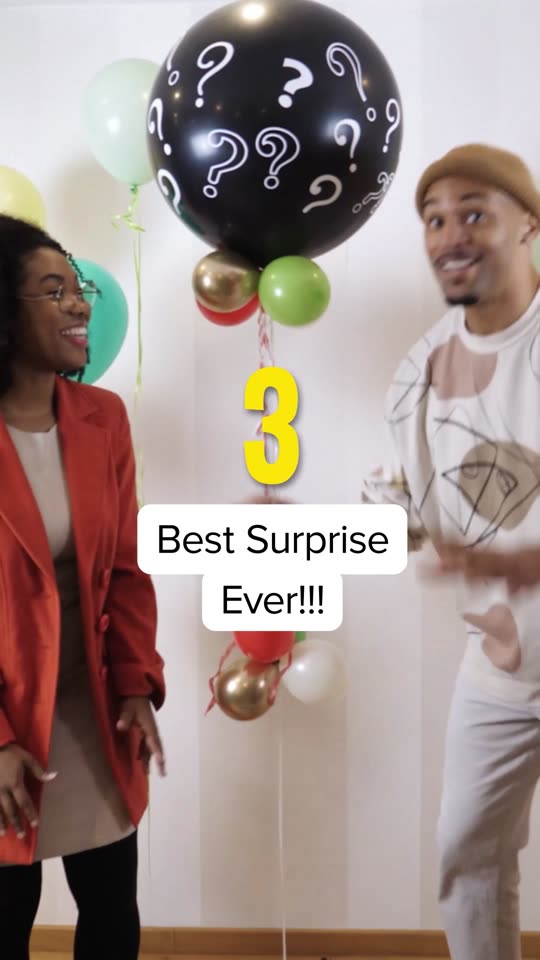 DC Party Reveal Motion Graphics Gaming work, shown for craft: a filmed party opener that turns into animated product, the hybrid we would use for a brand that wants a human hook and a clear demonstration. Watch in the showcase ↗
Read more
Questions people ask
What is a motion graphics ad?
A video built from animated design rather than filmed footage: kinetic type, product renders, icons, charts and illustration, timed to a voiceover or a beat. For brands it is the format that explains a product, an offer or a number.
Does motion beat UGC for consumer brands?
Usually not as the lead format. AppLovin says the vast majority of top-performing web advertiser videos it analysed use a UGC-style format. Motion wins specific jobs: mechanisms, offers, data and categories with little to film.
Can motion and UGC be combined?
Yes, and often should be. AppLovin's review of top web advertiser videos found prominent captions in 95% and voiceover in 85%; animated captions, callouts and offers layered on creator video are motion graphics too.
What specs do motion ads need on AppLovin?
AppLovin's specs for web advertisers list full-screen 9:16 portrait video, MP4, MOV or M4V, minimum 270 x 480, up to 60 seconds and 1 GB. An interactive page shows after the video finishes.
How do you measure a motion ad for a brand?
On purchases, revenue and ROAS, read together with the landing page and against the creator video running alongside it, not on views or clicks.
Also under Commercial